General Information:
The UNESCO UNITWIN Network for Underwater Archaeology and the UNESCO Chair in maritime and coastal archaeology ( MoMArch – Aix-Marseille University ) in collaboration with UNESCO 2001 Convention Secretariat and three leading EU projects on the main theme, EMFAF uBlueTec, Horizon Europe TOURAL and EMFAF ecoRoute, are organising the international conference ”New challenges for UW nature and cultural heritage tourism during the Ocean Decade”
The Conference will be held in presence at Le Cube THE CUBE | Aix-Marseille Université in Aix-en-Provence from the 29th of January to the 1st of February 2026.
The registration is now open
All colleagues attending in person should register
This includes colleagues participating in the oral and poster sessions (first, second author, etc), as well as colleagues that are simply attending the event.
To finalize your participation please fill in the following registration form
English will be the official language of the Conference.
Email: info@unescochair-mca.org
Call for papers
We are thrilled to announce the International Conference New challenges for UW nature and cultural heritage tourism during the Ocean Decade, that will bring together scholars, practitioners, policy makers, and community leaders to explore the intersections of underwater cultural heritage, tourism, climate change and community engagement. This conference will be held on 28 January – 1st of February at Le Cube, Aix-en-Provence, France, in presence and will also feature live youtube streaming to facilitate global involvement of students and researchers worldwide.
Abstract submission for papers and posters should consist of 300 words with the applicant’s name, address, institutional affiliation and abstract title.
Extended deadline for abstract submission: 10th of November 2025.
Email: info@unescochair-mca.org
.
….
The Conference is organised under the aegis of the UNESCO Chair of Aix-Marseille University in Coastal and Maritime Archaeology, led by AMU and the Department of Underwater Archaeological Research of the French Ministry of Culture (DRASSM), and the UNESCO-UNITWIN network for underwater archaeology, that AMU is currently coordinating.
The Conference is organised in collaboration with three major EU projects, that are currently leading innovation in the field of sustainable natural and cultural tourism in Europe and the Outermost Regions; the Horizon Europe project TOURAL and EMFAF project ecoRoute, as well as EMFAF project uBlueTec, aiming at upskilling and reskilling the new blue EU generation to face challenges of the blue economy, such as impacts of climate change, cultural and natural ecosystem preservation and valorisation, and our common efforts towards carbon neutrality.
The event will also be an occasion for an extraordinary meeting of the members of the UNESCO UNITWIN network for Underwater Archaeology.
Conference themes and Special sessions
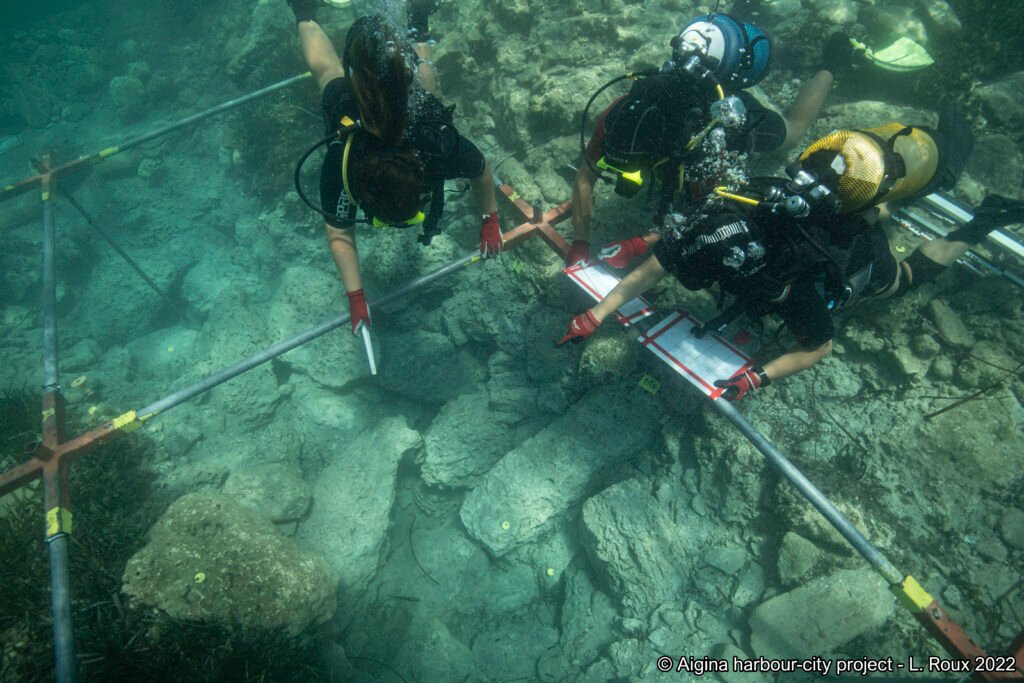
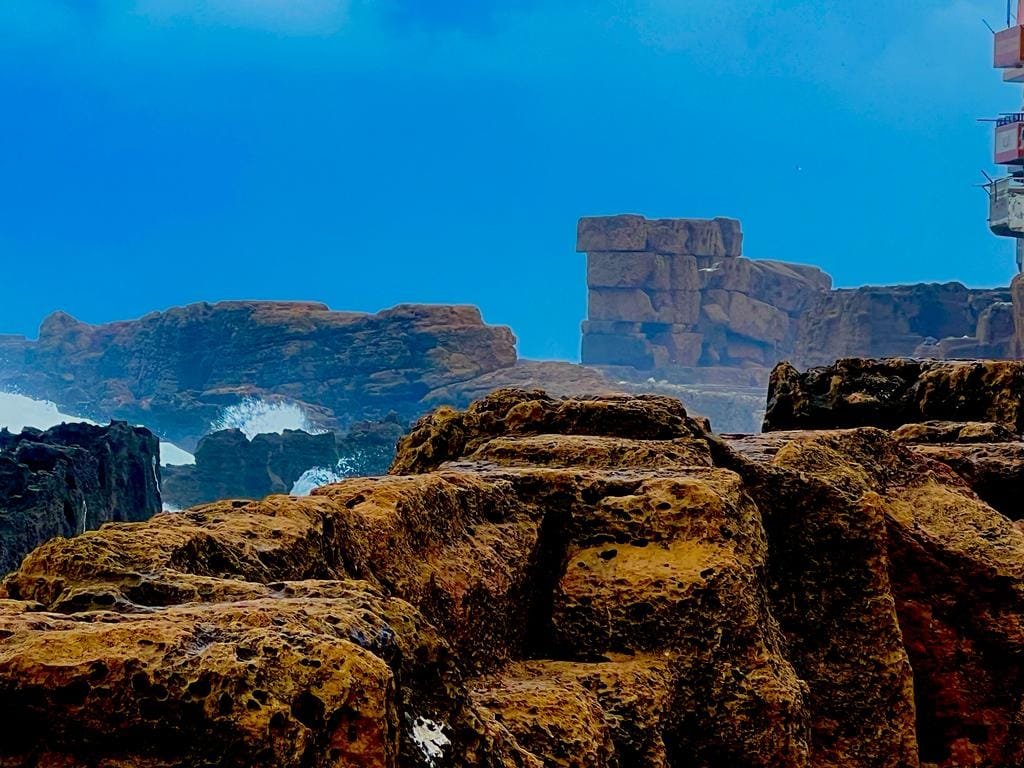
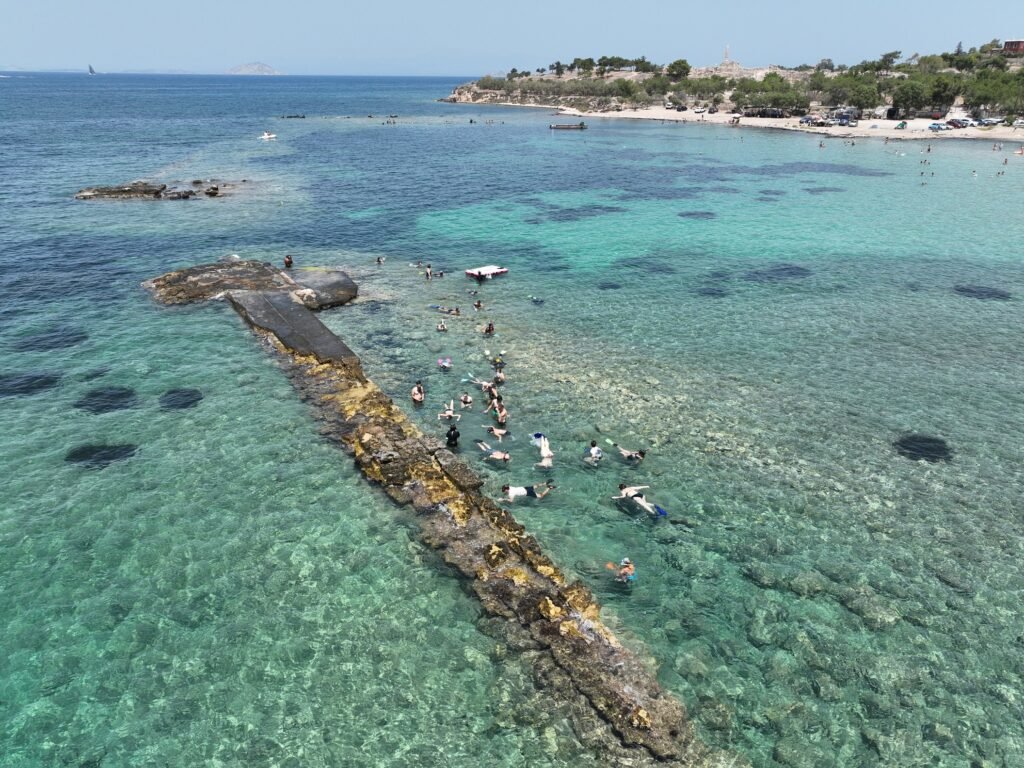
The event will centre around critical themes in the management, preservation, and promotion of coastal and underwater cultural heritage through public accessibility and green tourist initiatives, and natural environment and biodiversity, focusing on challenges of climate change, sustainable green practices, and technological innovations, connection with the Blue economy, and alignment with the Ocean Decade objectives and the UNESCO Strategic Development Goals.
As a result, we invite contributions related to the following core themes:
- Open-accessibility and sustainable UW cultural tourism: legal frameworks, management strategies, challenges and opportunities
- Underwater parks, open-access sites for diving and snorkelling in cultural and natural sites: Lessons learnt and new initiatives
- UW cultural heritage in marine protected areas: Protecting and managing cultural heritage and marine biodiversity as an entity
- Public awareness and outreach initiatives associated with open-access sites. Issues and value of local and indigenous communities’ engagement
- Impacts of climate change in UW cultural and natural sites open to the public, threats and resilience strategies, proactive management strategies
- Innovative underwater technologies for the digital documentation, preservation and monitoring of coastal and UW cultural heritage and natural biodiversity
- Education and training in innovative UW technologies and green practices for the new Blue workforce. Higher-education and life-long training
Special sessions
Three special sessions will be devoted to the results and initiatives of three EU projects, that are uniting inter-sectoral and interdisciplinary consortiums across Europe and the Outermost regions of Europe. All participants are welcome to contribute to the discussions with papers and posters
Innovative UW technologies for nature and cultural heritage – The uBlueTec hub
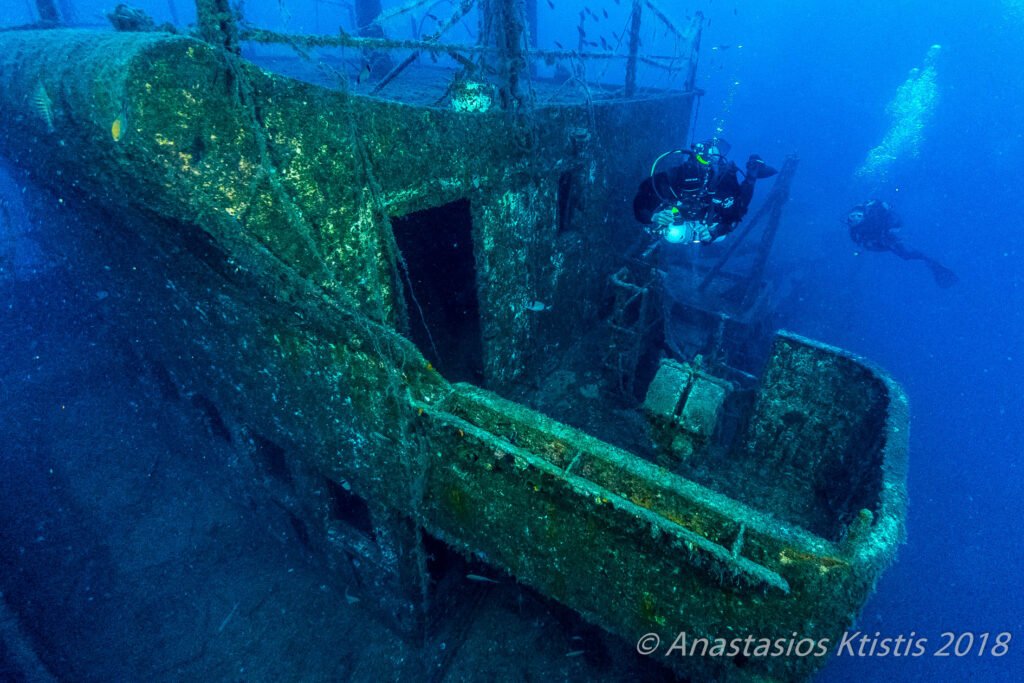
This session will focus on upskilling and reskilling initiatives in higher and VET education in blue, green and digital skills for the valorisation and preservation of UW cultural heritage; Blue and green training of the new generation of the Blue Economy. Development of state-of-art underwater technologies and robotic systems for the UW nature and cultural heritage.
EMFAF uBlueTec project: Training framework on Underwater Tecs as key enabler for blue careers development
Development of cultural & creative tourism in rural and remote areas, empowered by multidimensional models of tourism growth – The TOURAL project
The focus of this special session will be on: Sustainable balanced growth among different areas in rural regions; Innovation in business model development; Macro-regional and cross-border cooperation; Barriers and policy challenges; and the importance of creative tourism and intangible cultural heritage.
Participation of Cultural tourism cluster projects: SECreTour, CROCUS, CULTURALITY
Horizon Europe TOURAL: Multidimensional model of tourism verticals driving the sustainable balanced growth among rural & remote grids and urban clusters of rural regions, fostering macro-regional cooperation
Smart, green and sustainable UW cultural and natural tourism in the Outermost regions of Europe. The ecoRoute approach
The interventions will focus on: Policy pathways supporting sustainable tourism growth in Outermost regions, stakeholders’ engagement, local interventions supporting social cohesion, the environment and the biodiversity. Multi-destination eco-tourism models. PEF calculators for tourism businesses and embryonic Tourism Dataspaces.
EMFAF EcoRoute project: Multidimensional and integrated approach fostering smart underwater cultural and nature tourism offer in Outermost Regions
– Kalliopi Baika, AMU –CCJ, MoMArch, Associate Professor in Mediterranean Maritime Archaeology, Coordinator of the UNESCO UNITWIN network for Underwater Archaeology
– Jean Christophe Sourisseau, AMU, CCJ – ARKAIA, UNESCO Chair holder in Maritime and Coastal archaeology. Professor of Greek Archaeology, Director of the ARKAIA Institute of Mediterranean Archaeology
– José Bettencourt, Assistant Professor in Maritime Archaeology, member of the member of the UNESCO Chair The Oceans Cultural Heritage, University of Lisboa Nova, Portugal
– Edouard Planche, UNESCO Secretariat, 2001 Convention on the Protection of underwater cultural heritage
– Arnaud Schaumasse, Director of the Département des Recherches Archéologiques Subaquatiques et Sous-Marines (DRASSM), French Ministry of Culture
– Despina Koutsoumba, Maritime archaeologist – Ephorate of Underwater Antiquities, Hellenic Ministry of Culture, Greece
– Richard Sempéré, oceanographer. Research Director at CNRS, Director of the OCEAN Institute of Ocean Sciences – AMU
– Loris Barbieri, Associate Professor of Design and Methods of Industrial Engineering at the Department of Mechanical, Energy, and Management Engineering (DIMEG), University of Calabria, Italy
– Fausto Ferreira, Assistant Professor, Faculty of Electrical Engineering and Computing. University of Zagreb, Croatia
– Franca Cibecchini, maritime archaeologists, DRASSM – MoMArch (Department of Underwater Archaeological Research), Ministry of Culture, France
– Jordy Moies, PhD candidate in maritime archaeology, AMU – UNESCO-Unitwin network team
– Laetitia Cavassa: CCJ-CNRS-AMU – Research Engineer – Ceramologist
– Quentin Couillebault, PhD, Operational coordinator of the MoMArch, CCJ-ARKAIA-AMU
– Alison Faynot, 2001 Convention UNESCO Secretariat
– Jafar Anbar, PhD, post-doc researcher in coastal archaeology, AMU, uBlueTec project
– Judith Gatt, PhD, researcher in coastal archaeology, AMU-CCJ, ecoRoute project
– Hara Kaminara, PhD candidate, cinematographer, AMU, uBlueTec project
– Polyvios Raxis, Atlantis Consulting, coordinator of the ecoRoute project
– Eirini Lithoxoou, CERTH, coordinator of the TOURAL project
– Kalliopi Baika, AMU-CCJ, MoMArch, coordinator of the uBlueTec project
– MoMArch students – AMU (Master of Maritime and Coastal Archaeology of Aix-Marseille University)
Master 1 students (in alphabetical order): Mathilde France, Pierre-Kilian Guerard, Paul Hennechart, Marie Janot, Andriani Karletti, Valerio Marcone, Judith Montague and Tecla Zucchi.
Master 2: John Jude
Secretariat:
– Jordy Moies, AMU – UNESCO Unitwin
– Judith Gatt, AMU-CCJ, ecoRoute project
Email: info@unescochair-mca.org
The registration is now open
All colleagues attending in person should register
This includes colleagues participating in the oral and poster sessions (first, second author, etc), as well as colleagues that are simply attending the event.
To finalize your participation please fill in the following registration form
Conference Dates:
Thursday 28 January – Saturday 30 January 2026 (conference sessions)
Sunday 1st February 2026 (morning visit/excursion)
Registration fee: 100 euros – until the 20th of January 2026
The registration form is now available online.
..
– A Gala dinner will be held to celebrate the end of the Conference on the 31st of January.
Participation fee for the dinner: 40 euros
..
– Excursion (1st of February):
Participation fee for the excursion: 20 euros (Maximum 50 people)
We encourage submissions from scholars, researchers, and practitioners worldwide. Accepted papers and presentations will be featured in both oral and poster sessions.
For inquiries, please contact us at info@unescochair-mca.org.
Poster guidelines
Please bring your printed poster to the conference
Poster size: A0 Portrait – 841 mm (width) × 1189 mm (height)
Minimal images resolution: 300 dpi
Text length: 3,000 to 5,000 characters (spaces included)
Margins: Leave 20–25 mm margin on all sides; keep logos and important visuals inside safe area
Font Sizes (recommended):
Title: 60–80 pt
Authors + Affiliations: 40–45 pt
Titles: 40–50 pt
Body Text (Sans serif): 28–36 pt
Figure captions: 20–28 pt
Oral presentation guidelines
Duration: 15 minutes presentation followed by 5 minutes for questions
Aspect ratio: 16:9 widescreen
Resolution: 1920×1080 px
Fonts: use system fonts or make sure your fonts are embedded
Video & audio: please make sure these are embedded
SCHUMAN CAMPUS / THE CUBE
The Cube was designed and carried as the culmination of the renovation of the Schuman campus, at the service of Aix Marseille University and its student and teaching community, open to the city of Aix en Provence. By its structure, its location and the equipment of its premises, it is a dynamic tool at the service of the establishment, its components, its staff and users, but it is also a driving force in the cultural activities of the campus.
Accommodation
We propose to find accommodation in the center of Aix-en-Provence to easily reach the location of the conference. We suggest booking your accommodation the soonest possible as September is a high tourist season.
Hotels: You can find good deals on Booking.com
Airbnb’s: Visit the Airbnb site here Trouvez des logements sur Airbnb à : Aix-en-Provence
Here are some suggestions
– Séjours & Affaires Aix-en-Provence Mirabeau
– Appartement Cours Mirabeau CrsMb
Logistics and Transportation:
1- From Marseille Provence Airport to Aix en Provence city center
– A2 Bus: This is the cheapest way of transport from the airport to the Gare routière located at the center of Aix-en-Provence. The bus stop is located outside Terminal 2. Bus A2 will take you straight to the center of Aix-en-Provence. lecar Aix – Gare TGV – Aéroport | Ligne 40 Tickets can be bought on the bus.
– Uber: You need to download the application on your phone to order an Uber that will take you directly to your accommodation, 40-50 euros.
– Taxi: You can easily find a taxi when you arrive at the airport once you exit the arrival’s building, 70-80 euros.
2- Transportation in Aix-en-Provence
Moving around in Aix-en-Provence can be easily done on foot. Buses are very efficient as well. For the bus schedules please visit the following site (Plan du réseau – Aix-en-Provence – MyBus). You can buy tickets on the bus directly for 1, 2 or 10 trips or pay with a credit card through machines located at the bus stops. Bus (A) provides direct transportation to Le Cube from the city center every 7 minutes.
3- Transportation From Marseille to the airport
From Gare St Charles to the Airport of Marseille. Bus Line A1. For more information see: https://www.lametropolemobilite.fr/en/airport-train-station-shuttles/#marseille-st-charles-airport
For any questions regarding transportation and accommodation please do not hesitate to contact the organizing committee via the conference’s e-mail: info@unescochair-mca.org.
Restaurants
Piacere
Italian cuisine, relaxed atmosphere
Panuozzo Mio
Neapolitan sandwiches and pizzas
Alibaba
Middle Eastern / Levantine cuisine / Halal
Samos
Greek cuisine
Trattoria
Classic Italian dishes
Tonkin Food
Vietnamese cuisine
Colde
Modern, casual dining
L’Orienthé – Salon de Thé
Tea room, light meals (cash only)
La Maison des Fondues
Fondue and shared dishes
La Cita
Mexican cuisine
Bars
Forum
Wine bar and relaxed evening spot
Le Brigand
Cocktail bar
Chez Les Copains
Friendly local bar
Pub The Kerry
Irish pub
Coffee Shops & Tea Rooms
Sweet Panda
Specialty coffee and pastries
Weibel
Traditional café and bakery
Maison Mooks
Specialty coffee
Madeleines de Christophe
Madeleines and sweet treats
ICE-Breaker cocktail
Le CUBE – Thursday, 29th of January 2026 – 18:00-19:00 PM – Offered by Aix-Marseille University
Gala Dinner
Aix-en-Provence – Saturday, 31st of January – 19:30 – 11:00 PM – Fees: 40 euros
Excursion
Marseille – Sunday, 1st of February 2026 – Morning 09:00 – 12:00 AM
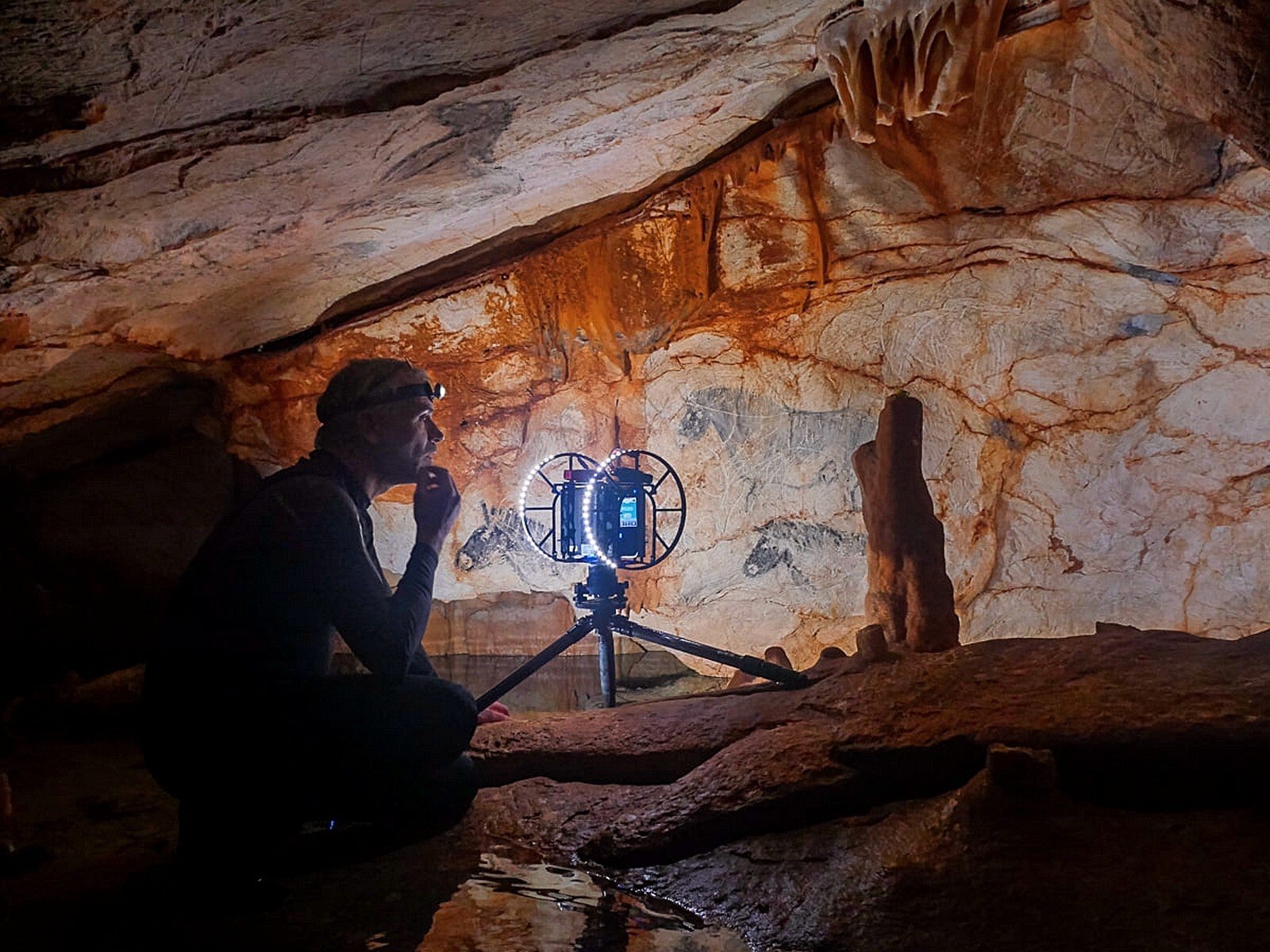
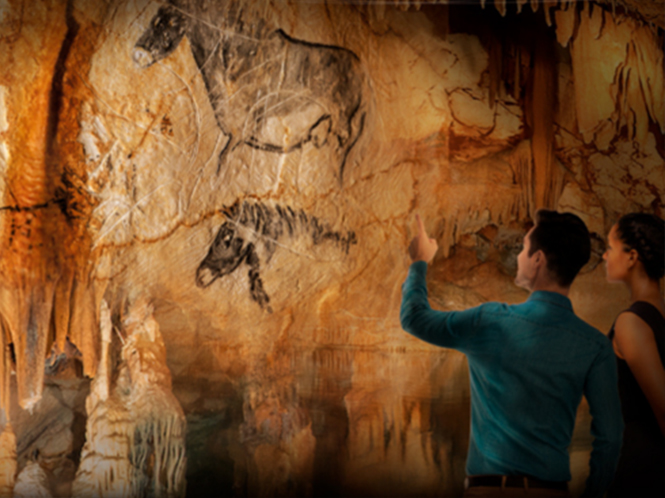
Visit to the Cave Cosquer reconstruction
Maximum 50 people
Guided visit to the new Cave Cosquer reconstruction in the Villa Méditerranéenne (Cosquer Méditerranée – Site officiel de la restitution de la Grotte Cosquer (grotte-cosquer.com).
Fee: 20 euros (covering transportation, the entrance to the Museums and a scheduled guided tour to the Cave Cosquer reconstruction. Lunch in not included).
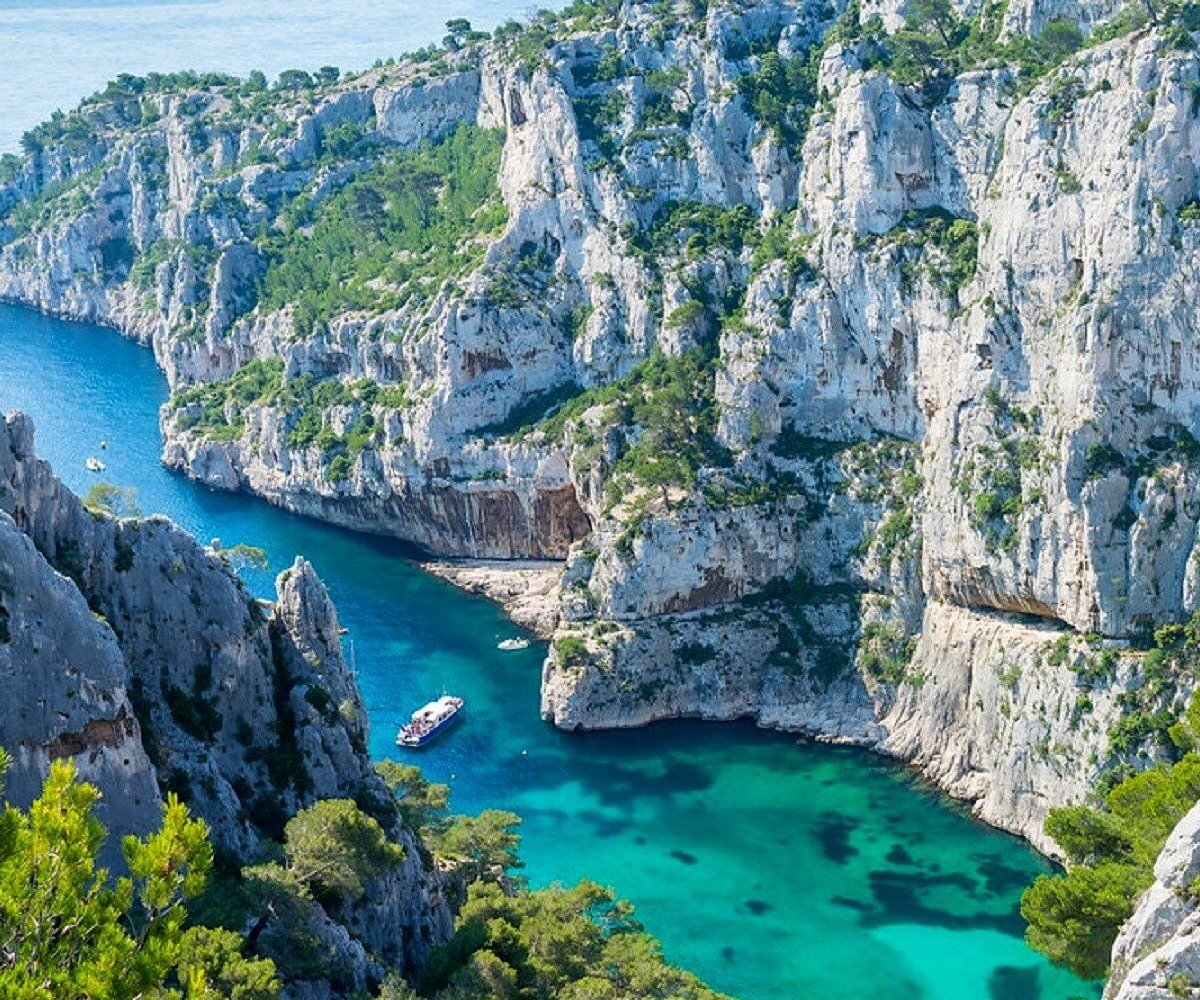
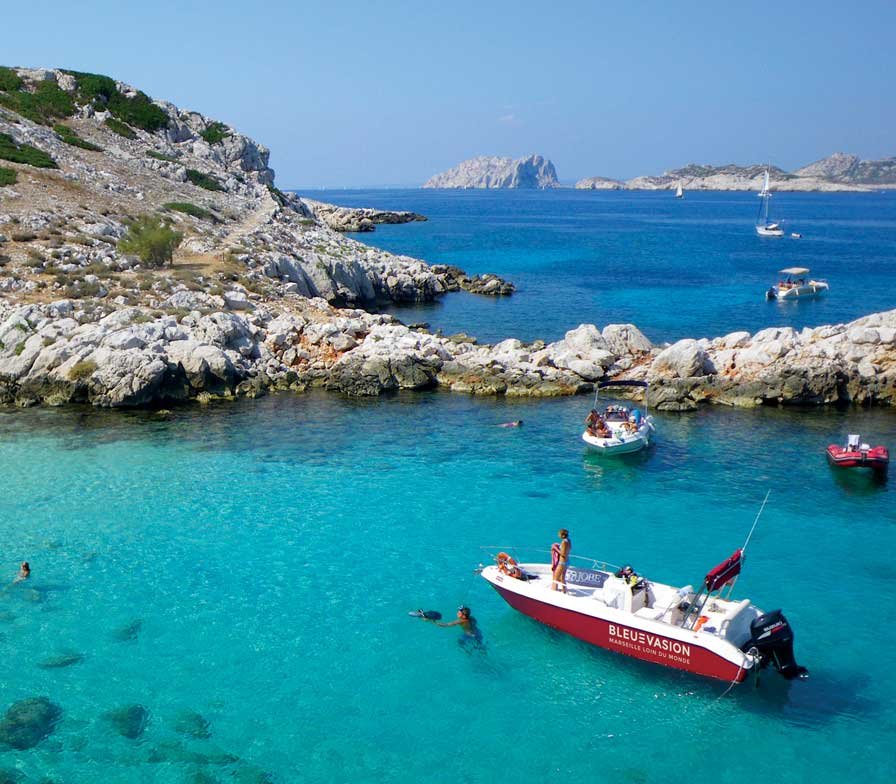
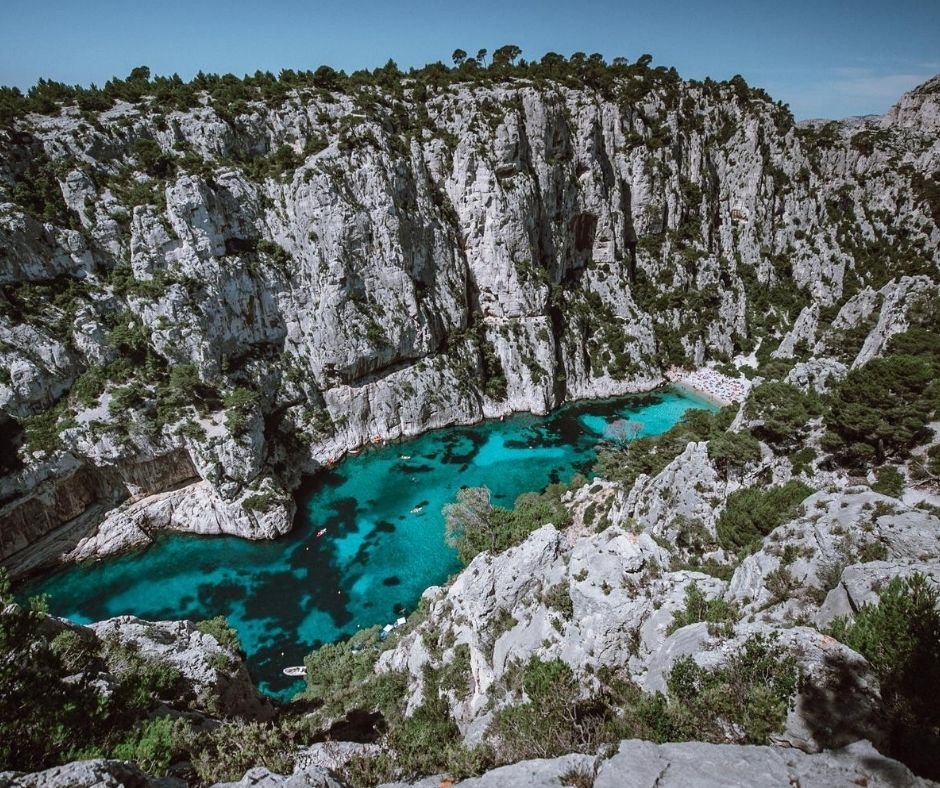
🌿 Option 1 – Nature at Marseille
Explore the spectacular Mediterranean coastline just south of Marseille. The limestone cliffs and turquoise coves make the Calanques one of the region’s most iconic natural landscapes. You can take a boat tour from the Old Port to admire coves such as Morgiou, En-Vau, or Sormiou without hiking.
🔗 More information:
-Calanques National Park guide — Official Marseille Tourism: Calanques National Park info and access tips
-Practical how-to visit (boat, buses, hikes) — See options here -Office de Tourisme de Marseille — See here
🎨 Option 2 – Art & Culture at Marseille
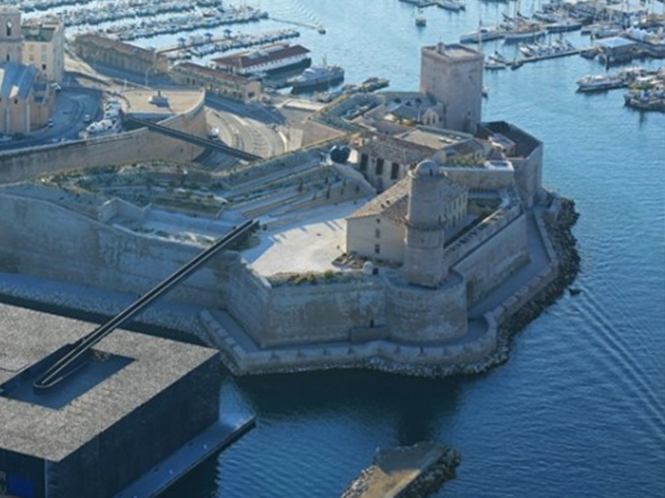
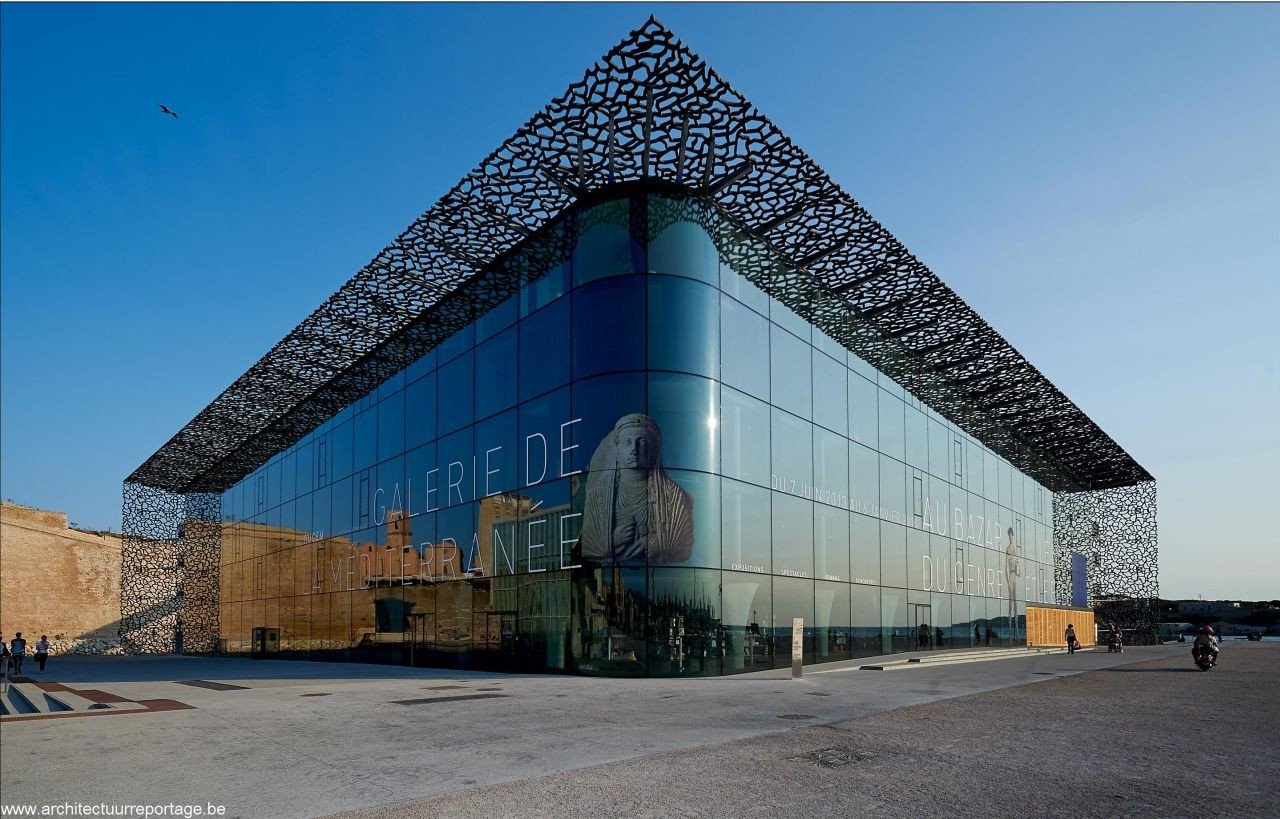
Start at the Museum of European and Mediterranean Civilisations (MuCEM), where contemporary exhibitions explore Mediterranean cultures, history and art through engaging displays in a striking modern building at the entrance to the Old Port. Access is free every first Sunday of the month.
Adjacent is Fort Saint-Jean, a historic 17th-century fortification linked to the museum by footbridge, with panoramic sea views and landscaped gardens to explore.
Complete the afternoon with a visit to the Panier district, just behind the port, known for its vibrant street art, galleries, and creative atmosphere.
🔗 More information:
-Museum official website — MuCEM Marseille official site
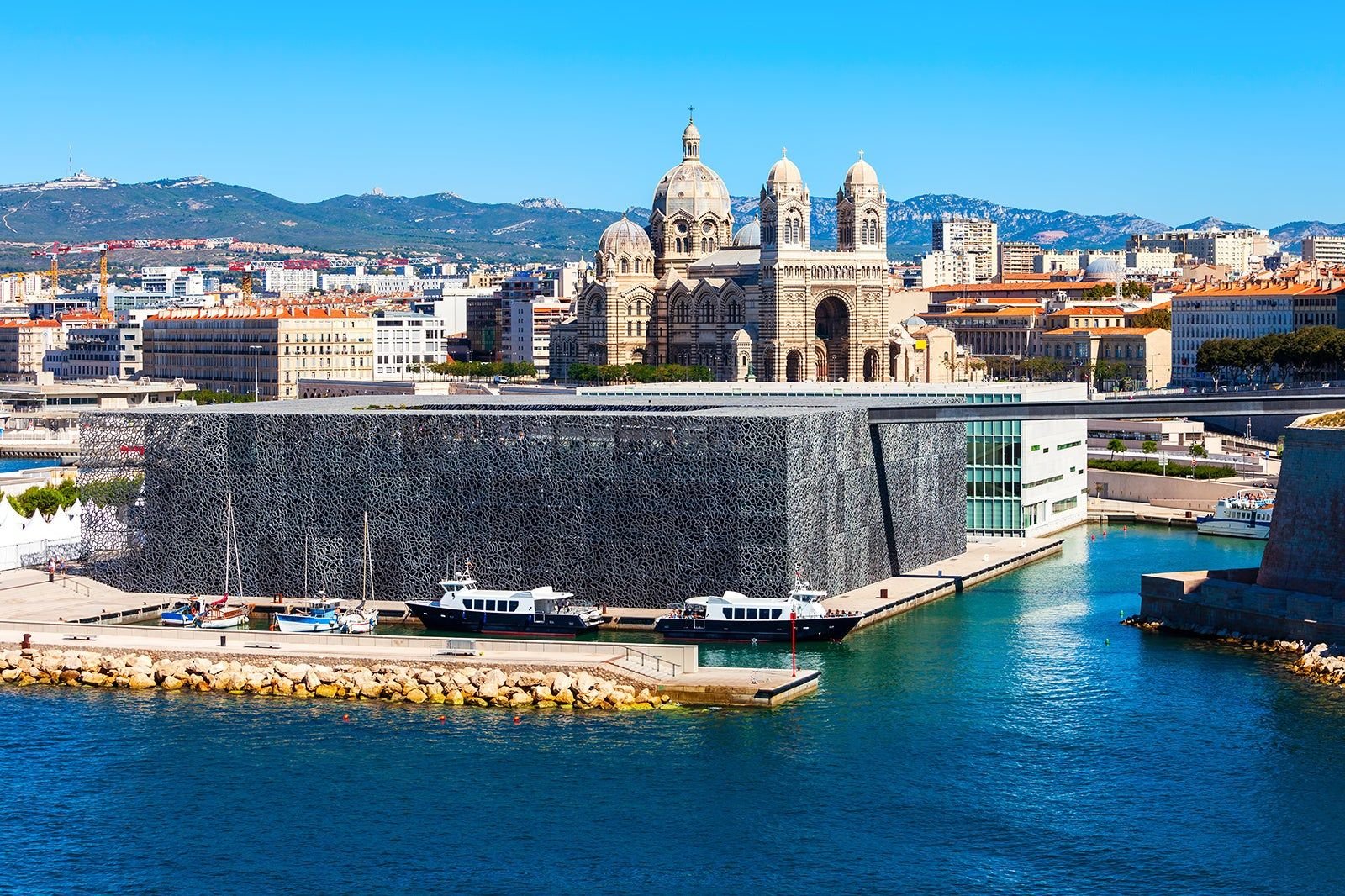
🏛️ Option 3 – The History of Marseille
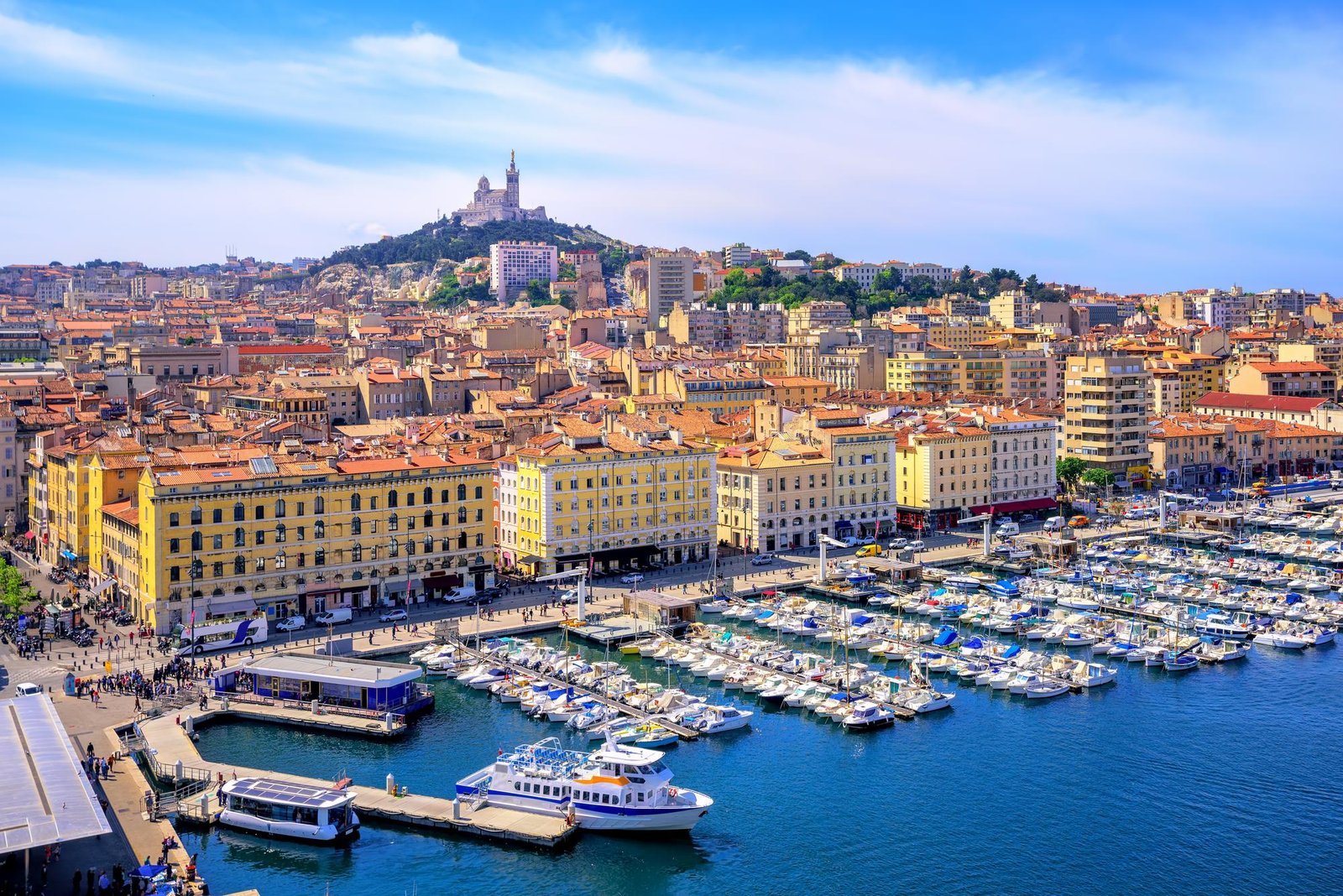
Begin your visit at the Musée des Docks Romains, then make your way to the Old Port (Vieux-Port), the historic heart of the city since its founding by Greek settlers over 2,600 years ago.
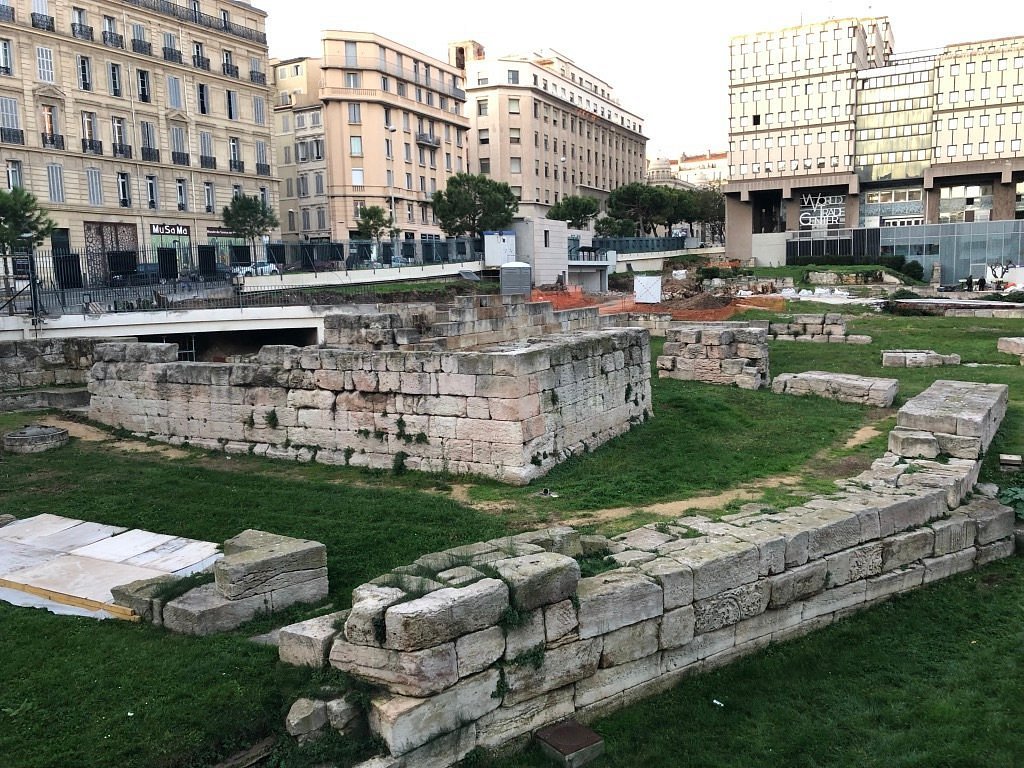
Nearby is the Musée d’histoire de la Ville de Marseille, an ancient archaeological garden with remains of the Greek and Roman port infrastructure, revealing the city’s earliest maritime past.
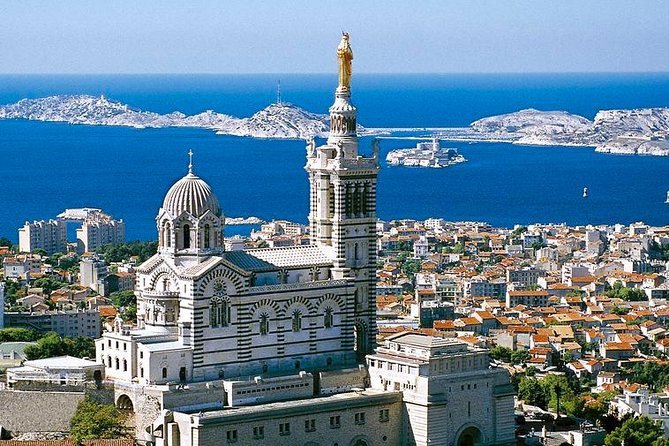
End the tour at Notre-Dame de la Garde (reachable by bus/taxi) for stunning panoramic views and historical significance.
🔗 More information:
-Jardin des Vestiges background — Jardin des Vestiges travel guide (Marseille Tourism)